


Choosing the right diet for your pets isn’t always simple, especially when faced with confusing labels and highly processed options. More owners in Hampshire and beyond are turning to raw dog and cat food to support the natural health, vitality, and digestion of their furry companions. If you’ve been wondering whether a raw diet is right for your dog or cat, this easy-to-follow guide will help you understand the basics, benefits, and things to consider before making the switch.
Understanding the Concept of Raw Feeding
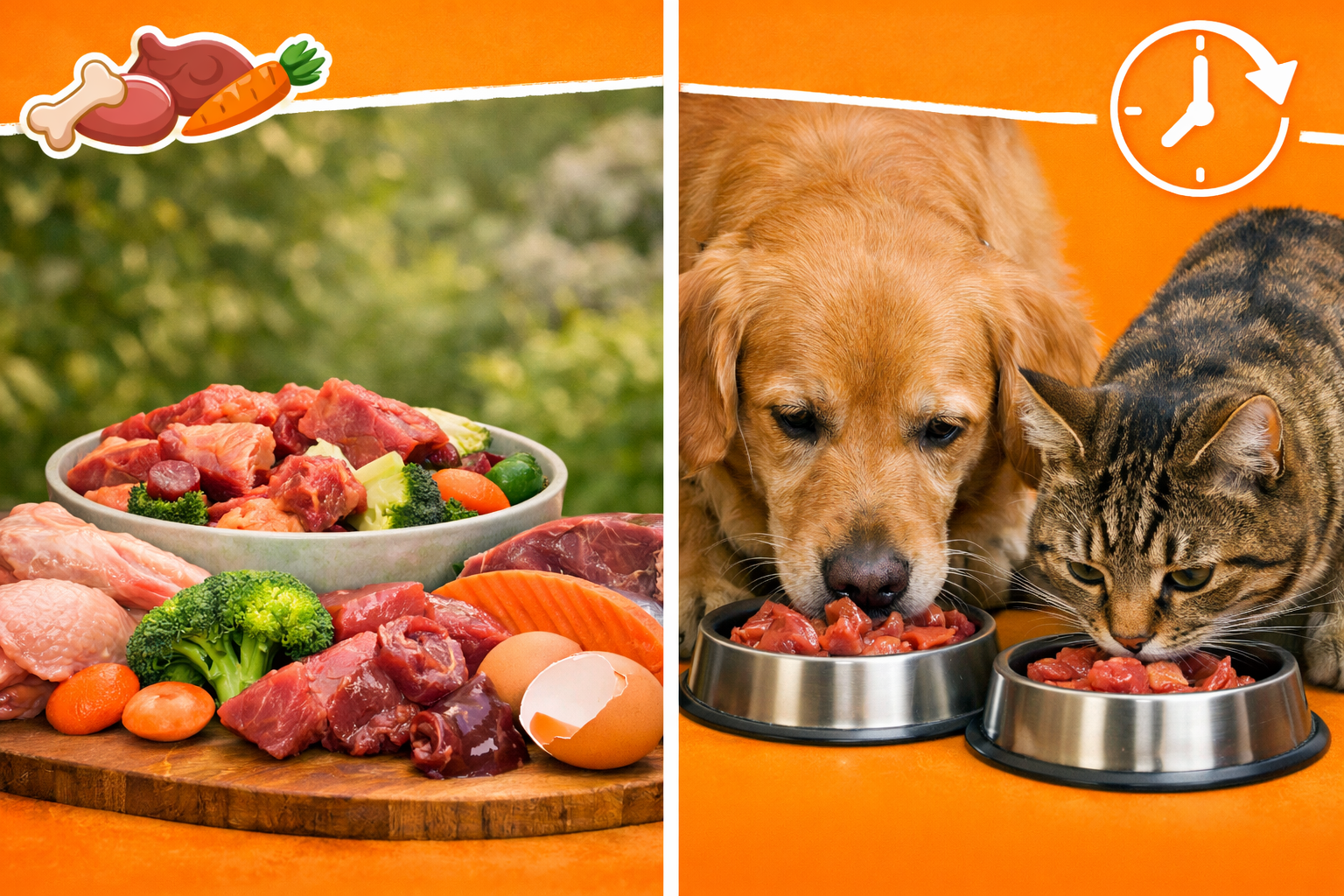
Raw feeding is based on the idea that dogs and cats thrive on a diet similar to what they would naturally consume. Instead of kibble or canned food, raw feeding includes a combination of fresh meats, organ meats, edible bones, and small amounts of fruits or vegetables. Pet parents who follow this feeding style aim to provide whole, natural nutrition without artificial additives or fillers.
Why Pet Owners Are Switching to Raw Diets
Modern pet foods can be convenient but often contain high levels of processing and synthetic ingredients that can trigger sensitivities or allergies. Raw feeding offers a simple, wholesome alternative. Owners have reported improvements in their pets’ health, including shinier coats, improved stools, and higher energy levels. More importantly, it helps pets feel and look their best while supporting long-term wellness.
Key Benefits of Raw Feeding
- Improved digestion: Many pets experience fewer stomach issues and firmer stools on a raw diet.
- Healthier skin and coat: Natural fats and oils support a glossy, soft coat and reduce irritation.
- Strong teeth and gums: Chewing meaty bones naturally cleans teeth and strengthens jaws.
- More energy and vitality: Balanced nutrients help pets stay active and alert.
- Weight management: Raw diets can help maintain a healthy body weight naturally.
What Is Raw Feeding for Dogs and Cats?
Raw feeding for dogs and cats means providing meals that are free from cooking, fillers, and artificial flavourings. For dogs, it might include raw beef, chicken, lamb, or fish, along with organs and ground bone to mimic a natural prey diet. Cats benefit from high-protein meals with organ meats and small amounts of roughage, helping support their obligate carnivore needs.
This approach isn’t about giving pets “human-style” raw meat, but rather balanced, portion-controlled meals specifically designed for pets. High-quality suppliers like Oscar’s Pantry make it easy to start, offering tailored raw feeding product offers that save time and ensure nutritional balance.
How to Transition Your Pet to a Raw Diet
Transitioning should be gradual to help your pet’s digestive system adjust. Start by introducing small portions of raw food alongside your pet’s current diet. Slowly reduce the processed food while increasing raw portions over one to two weeks. Always monitor their energy levels, stool consistency, and appetite as indicators of progress.
Tips for a Smooth Raw Feeding Transition
- Introduce new proteins one at a time.
- Always handle raw food hygienically to avoid contamination.
- Consult your vet if your pet has specific health conditions.
- Store raw meals in the freezer and defrost in the fridge before feeding.
- Provide plenty of fresh water daily.
Common Myths About Raw Feeding
“It’s unsafe.” With proper handling and sourcing from trusted suppliers, raw feeding is completely safe. High-quality providers maintain strict food safety standards.
“It’s too expensive.” While raw food may seem costly upfront, many owners find long-term veterinary costs decrease due to healthier overall wellbeing.
“It’s too complicated.” Modern raw food suppliers portion and prep meals for convenience, making it as simple as feeding regular pet food.
How to Build the Perfect Raw Meal
Every raw feeding plan should include the essential components of a prey-based model: muscle meat, organ meats, bones, and small amounts of plant matter. These combined elements provide complete amino acids, natural vitamins, and minerals.
- Muscle meat: Provides protein for muscle repair and growth.
- Organ meats: Nutrient-rich sources of vitamins, iron, and essential fatty acids.
- Edible bones: Supply calcium and promote dental health.
- Vegetables and fruits: Provide fibre and essential phytonutrients.
Why Source Matters
Not all raw diets are created equal. Sourcing your food from a trusted, local provider ensures freshness, balance, and safety. At Oscar’s Pantry, we handpick premium ingredients and curate meal options that match your pet’s specific nutritional needs, giving you quality assurance with every serving.
Is Raw Feeding Right for Your Pet?
Raw feeding can benefit most dogs and cats, but it’s always important to consider your pet’s age, health, and dietary sensitivities. Puppies, kittens, and senior pets may require adjusted meal plans. Speak to a professional or your vet before introducing major dietary changes to ensure your pet’s diet remains nutritionally balanced and safe.
Now that you know what raw feeding for dogs and cats involves, you can see how it aligns with your pets’ natural needs. By choosing responsibly sourced raw food and making gradual transitions, you give your pets the best chance at happier, healthier lives. If you’re ready to start or want tailored advice, get in contact with our team today and discover how a raw diet can transform your pet’s wellbeing.