


As pet parents, we all want our furry companions to thrive with radiant coats, bright eyes, and steady energy. Yet many owners struggle to find a diet that delivers visible vitality alongside long-term wellness. That’s where a natural, raw pet food approach can make a meaningful difference.
More families are moving away from heavily processed kibble and canned foods toward fresh, minimally processed ingredients that more closely resemble what dogs and cats are biologically designed to eat. This feeding style focuses on nourishing pets in alignment with their natural physiology, supporting health from the inside out.
What Is a Raw Diet?
A raw diet consists of feeding dogs and cats fresh, minimally processed ingredients such as raw meat, organs, bones, and carefully selected fruits and vegetables. This approach aims to mirror the type of nourishment animals would naturally consume, delivering nutrients in their most bioavailable form.
Unlike conventional pet foods that rely on high heat processing, raw pet food avoids artificial additives, fillers, and unnecessary carbohydrates, allowing pets to receive nutrition closer to its natural state.
>> Learn more about raw feeding in our beginners guide.
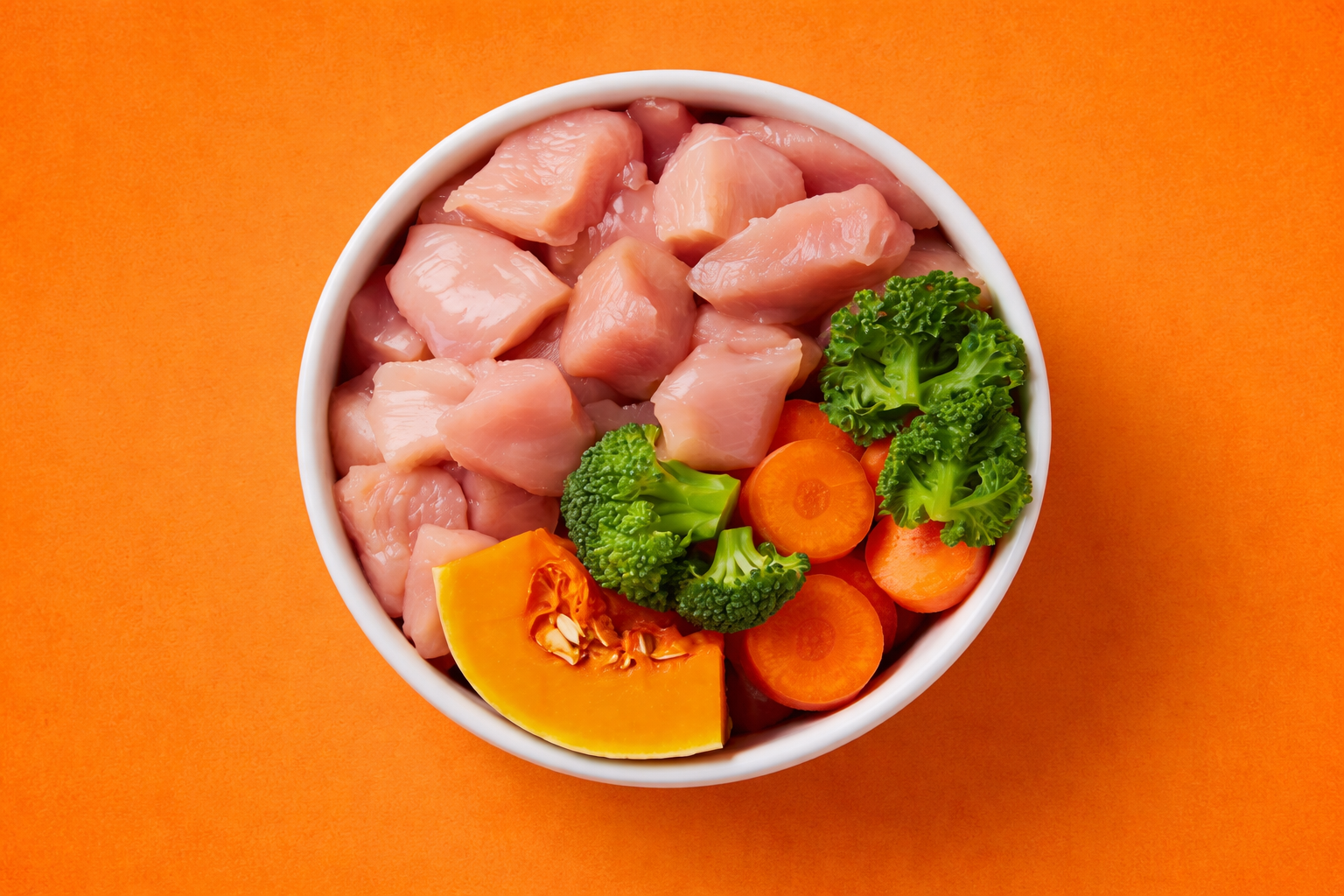
Why Pet Owners Are Choosing Raw Pet Food: The benefits of raw feeding
Modern pet parents are increasingly focused on ingredient quality, transparency, and preventative health. Many report that transitioning to fresh, raw meals leads to noticeable improvements across multiple areas of health – sometimes within weeks.
Below are some of the most commonly observed benefits.
1. Improved Digestion
Dogs and cats have relatively short digestive tracts designed to efficiently process animal protein. When fed raw meals free from fillers and synthetic additives, many pets experience:
- Improved nutrient absorption
- Reduced bloating and gas
- Smaller, firmer stools
Efficient digestion helps support overall health and reduces unnecessary strain on the digestive system.
2. Healthier Skin and Shinier Coats
Fresh, unprocessed ingredients naturally provide essential fatty acids and amino acids that play a vital role in skin and coat health. A raw diet may help:
- Reduce dryness and itching
- Support skin moisture balance
- Improve coat shine and texture
Pets with dull coats or chronic skin irritation often show visible improvement after switching to raw food.
3. Dental Support and Fresher Breath
Raw feeding can complement dental hygiene, particularly when appropriate raw meaty bones are included. Chewing helps mechanically reduce plaque buildup and supports gum health.
However, raw food alone does not replace regular dental care. Many pet owners combine raw feeding with routine tooth brushing or veterinary dental checks for best results.
4. Balanced Energy Levels and Healthy Weight
Highly processed pet foods often contain excess carbohydrates that can contribute to weight gain and fluctuating energy levels. Raw diets emphasize protein and healthy fats, which better support a carnivorous metabolism.
Pet owners frequently report that raw-fed pets are:
- More alert and engaged
- Better able to maintain a healthy weight
- Leaner with improved muscle tone
5. Immune System Support
Fresh foods retain naturally occurring enzymes, vitamins, and antioxidants that are often diminished during heat processing. These nutrients help support immune function and gut health, which may reduce the risk of:
- Chronic inflammation
- Food sensitivities
- Recurrent digestive issues
A healthier gut microbiome plays a key role in long-term immune resilience.
6. Improved Hydration
Raw meals naturally contain significantly more moisture than dry kibble. This increased hydration is particularly beneficial for cats, who often have a low thirst drive.
Adequate hydration supports kidney, urinary, and overall organ health – making this one of the most overlooked benefits of raw feeding.
7. Relief from Allergies and Food Sensitivities
Many common pet food allergies stem from grains, artificial preservatives, or low-quality protein sources. Raw diets are typically free from these irritants and may help alleviate:
- Itchy skin and excessive paw licking
- Chronic ear or eye irritation
- Digestive discomfort
By removing inflammatory ingredients and supporting gut health, many pets experience noticeable relief.
8. Smaller, Firmer Stools and Less Waste
Because raw food is highly digestible, pets tend to absorb more nutrients and produce less waste. Owners often notice:
- Reduced stool volume and a firmer consistency
- Less odour
These changes are a visible sign of improved digestive efficiency.
9. Support for Senior Pets and Mobility
Ageing pets often benefit from the nutrient density of a well-balanced raw diet. High-quality proteins, healthy fats, and naturally occurring nutrients support:
- Joint health and mobility
- Muscle maintenance
- Sustained energy levels
Many senior dogs and cats show improved comfort and vitality when fed a species-appropriate diet.
10. Balanced Behaviour and Mental Well-Being
Nutrition plays an important role in cognitive health and behaviour. Diets high in refined carbohydrates may contribute to energy spikes, while protein-rich meals support more stable energy levels.
A balanced raw diet may help promote:
- Calm, consistent behaviour
- Improved focus
- Overall mental well-being
What Makes a Balanced Raw Diet?
A properly formulated raw diet typically includes four essential components:
- Muscle meat – High-quality protein and amino acids
- Bones – Natural calcium and minerals
- Organs (offal) – Nutrient-dense sources of vitamins and minerals
- Fruits and vegetables – Fibre, antioxidants, and phytonutrients
Correct ratios are essential to ensure complete and balanced nutrition.
Do Dogs and Cats Need Different Raw Diets?
Yes. While both species benefit from raw feeding, their nutritional requirements differ.
- Dogs are omnivorous and thrive on meat-based diets supplemented with select plant nutrients.
- Cats are obligate carnivores and require diets rich in animal protein and fat, with minimal plant matter.
Well-formulated raw diets account for these differences to support optimal health.
Transitioning to a Raw Diet Safely
A gradual transition allows the digestive system to adapt. Start by mixing small amounts of raw food with your pet’s current diet and slowly increase over 7–14 days.
Always ensure meals are nutritionally balanced and handled safely. We recommend consulting with a holistic or raw-feeding, experienced veterinarian before making major dietary changes, especially for pets with underlying health conditions.
Safety and Raw Feeding
Food safety is a common concern with raw diets. Reputable raw pet food providers address this by sourcing human-grade ingredients and, in many cases, using methods such as high-pressure processing (HPP) to reduce harmful pathogens without compromising nutritional integrity.
When handled and prepared correctly, raw feeding can be a safe and manageable option for pet families.
Common Myths About Raw Diets
Raw feeding is sometimes perceived as risky or complicated. In reality, properly formulated raw diets are designed to meet nutritional standards and fit easily into modern feeding routines.
With thoughtful sourcing and preparation, many of the common concerns around raw feeding are effectively addressed.
The Long-Term Benefits of a Raw Diet for Dogs and Cats
Over time, pets fed balanced raw diets often maintain healthy body weight, experience fewer food sensitivities, and enjoy sustained vitality into their senior years. By aligning with dogs’ and cats’ biological needs, raw feeding offers a holistic approach to lifelong wellness.
Discover Raw Pet Food in Clanfield, Hampshire
Choosing raw pet food is a meaningful step toward your pet’s long-term health and vitality. If you’re searching for high-quality raw pet food in Clanfield, Oscar Pantry offers carefully prepared raw meals designed to support balanced nutrition, safety, and individual dietary needs.
Contact us today for more information, or call in and have a chat.
Frequently Asked Questions
Can dogs and cats eat raw meat?
Yes, dogs and cats can eat raw meat. If you’re considering replacing processed food with a fresh, raw alternative, it’s natural to have questions or concerns.
Dogs and cats are biologically designed to consume raw meat, and moving to a raw diet can be a transformative choice for their overall health. Benefits often include improved digestion, healthier skin and coats, increased energy, and stronger immune function.